
Pulse of Wisdom
Empathy
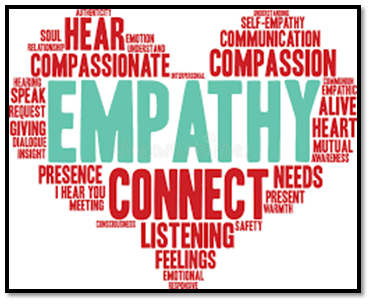
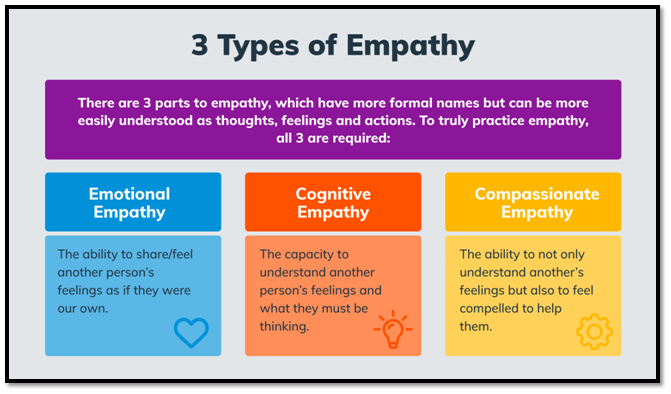
Empathy is the ability to understand, share and respond to the feelings, thoughts, and perspectives of others. It involves putting yourself in someone else’s shoes, recognizing their emotions, and responding with care and consideration. Unlike sympathy, which is feeling sorry for someone, empathy goes a step further—it is about truly connecting with another person’s experience and offering support or understanding.

The Importance of Empathy in Our Professional Careers
Empathy plays a significant role in professional environments across various industries. It enhances communication, teamwork, leadership, and customer relations, contributing to overall job success and satisfaction. Here is why empathy is essential in professional careers:
1.Improved Communication and Relationships
Empathy fosters better communication by encouraging active listening and a deeper understanding of others’ points of view. In workplaces, clear and compassionate communication helps reduce misunderstandings, resolve conflicts and build stronger relationships among colleagues, clients and customers. Empathetic individuals are more likely to be approachable, which encourages open dialogue and collaboration.
2.Stronger Teamwork and Collaboration
In team-based work environments, empathy promotes a sense of mutual respect and understanding. When employees can relate to one another’s challenges and emotions, they are more likely to support each other, share ideas and work towards common goals. Empathy helps in navigating differences, appreciating diverse perspectives and fostering a culture of inclusivity.
3.Effective Leadership
Leaders who exhibit empathy are more likely to inspire loyalty, trust, and respect from their teams. Empathetic leaders are attuned to the needs and concerns of their employees, which allows them to provide meaningful guidance, motivation and recognition. This type of leadership enhances employee morale, reduces turnover and creates a positive work environment where everyone feels valued.
4. Better Customer Relations
Empathy is a cornerstone of excellent customer service. Understanding a customer’s needs, frustrations, or expectations allows employees to tailor their responses in a way that makes the customer feel heard and respected. Whether in retail, healthcare, or any client-facing role, empathetic interactions build stronger relationships, foster loyalty and can lead to repeat business.
5.Conflict Resolution
Workplaces often involve conflicting viewpoints, whether in teams or with clients. Empathy allows individuals to understand the emotions behind these conflicts and find solutions that address everyone’s needs. Empathetic conflict resolution often leads to win-win outcomes, strengthening relationships and preventing long-term issues.
6. Personal and Professional Growth
Empathy enhances emotional intelligence, a key factor in personal and professional development. By being attuned to the emotions of others, individuals develop greater self-awareness and become more adept at managing their own emotions. This ability to understand and manage emotions can lead to improved decision-making, adaptability, and overall career progression.
7. Creating a Positive Work Culture
A workplace infused with empathy is one where employees feel safe, supported and respected. This leads to a positive work environment, where employees are motivated, engaged and committed. A culture of empathy fosters trust and collaboration, driving both individual and organizational success.
Airports are often high-stress environments where passengers experience anxiety due to long lines, tight schedules, security checks and flight delays. This is where empathy plays a pivotal role. Airport staff who demonstrate empathy—whether through offering a friendly greeting, patiently answering questions, or providing clear instructions—help to calm nervous passengers and create a more pleasant travel experience. Empathy also helps in handling special situations, such as assisting elderly passengers, those with disabilities, or families with young children. A staff member who understands the emotional state of such passengers can provide tailored assistance, whether that means offering a seat, expediting a check-in process, or providing extra time to navigate the airport.
When passengers feel understood and supported by airport staff, their overall travel experience improves significantly. Empathetic customer service does not just resolve problems; it enhances the “happy quotient”—a measure of satisfaction and emotional well-being. This leads to positive feedback, repeat business and a reputation for excellent service. A smiling, patient and compassionate employee can transform a stressful travel day into a more manageable and even enjoyable experience, making passengers more likely to remember and appreciate the service.
Empathy is not just a personal trait—it is a critical skill in the professional world. It enhances communication, strengthens relationships, boosts teamwork and improves leadership effectiveness. Whether you are interacting with colleagues, clients, or customers, empathy helps create an environment of trust, respect and understanding, leading to greater success in your professional career.
By: Mr. Jaswant Singh Rawat (Manager – Ground Services)